

Puppy Training Essentials for Beginners

Bringing a new puppy into your home is an exciting experience. However, it also comes with the responsibility of training your puppy to become a well-behaved and happy companion. Training a puppy requires patience, consistency, and the right knowledge. In this post, I will share essential insights and practical advice to help you navigate the early stages of puppy training successfully. Whether you are new to dog ownership or looking to improve your training skills, these must-have puppy training tips will set you on the right path.
Must-Have Puppy Training Tips to Start With
Starting puppy training on the right foot is crucial. The foundation you build now will influence your puppy’s behavior for years to come. Here are some key tips to keep in mind:
Be consistent: Use the same commands and routines every day. Consistency helps your puppy understand what is expected.
Use positive reinforcement: Reward good behavior with treats, praise, or playtime. Positive reinforcement encourages your puppy to repeat those behaviors.
Keep training sessions short: Puppies have short attention spans. Limit sessions to 5-10 minutes several times a day.
Socialize early: Introduce your puppy to different people, animals, and environments to build confidence and reduce fear.
Set clear boundaries: Decide what is allowed and what is not, and stick to those rules from day one.
These tips are essential to create a positive learning environment. Remember, patience and kindness go a long way in shaping your puppy’s behavior.

Preparing Your Home for Puppy Training
Before you begin training, it is important to prepare your home to support your puppy’s learning process. A safe and organized environment helps prevent accidents and distractions.
Create a designated training area: Choose a quiet spot free from distractions where you can focus on training.
Remove hazards: Keep electrical cords, toxic plants, and small objects out of reach.
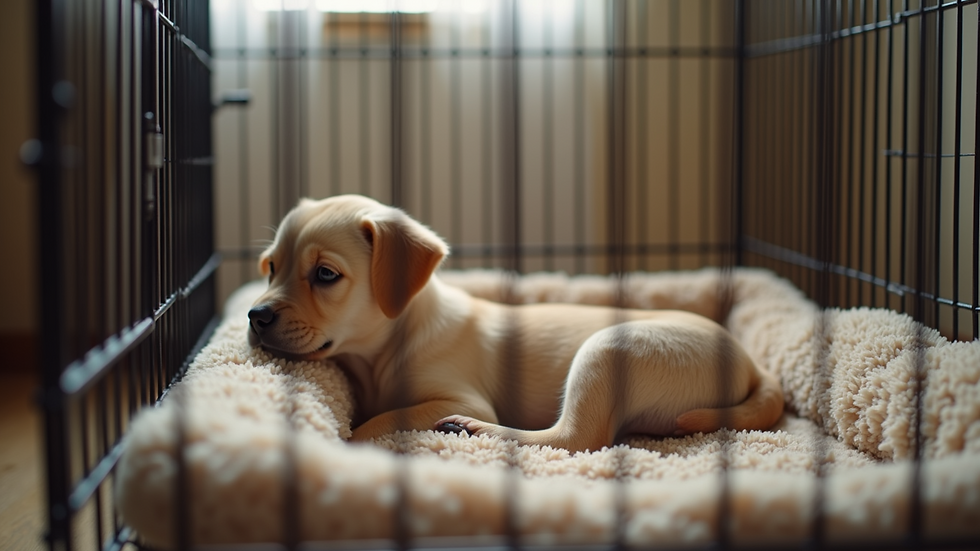
Use crates and gates: Crate training helps with housebreaking and provides a safe space for your puppy. Baby gates can limit access to certain areas.
Gather training supplies: Have treats, a clicker (if you use one), a leash, and toys ready.
By setting up your home thoughtfully, you make it easier for your puppy to learn and for you to maintain control during training sessions.
What is the First Thing You Should Train a Puppy On?
The first thing I recommend training a puppy on is housebreaking or potty training. This is a priority because it affects your daily routine and the cleanliness of your home.
Here are some effective steps for housebreaking:
Establish a schedule: Take your puppy outside frequently, especially after eating, drinking, playing, or waking up.
Choose a specific potty spot: Consistently take your puppy to the same area to encourage association.
Use a command: Say a simple phrase like “go potty” to help your puppy understand what you want.
Reward immediately: Praise and give treats right after your puppy eliminates outside.
Supervise indoors: Watch for signs your puppy needs to go, such as sniffing or circling, and take them out promptly.
Be patient and consistent: Accidents will happen, but avoid punishment. Clean accidents thoroughly to remove odors.
Housebreaking sets the tone for future training and helps your puppy learn self-control.

Teaching Basic Commands and Manners
Once housebreaking is underway, focus on teaching basic commands. These commands improve communication and safety.
Start with these essential commands:
Sit: A simple command that helps control your puppy in many situations.
Stay: Teaches patience and impulse control.
Come: Vital for recall and safety.
Leave it: Prevents your puppy from picking up dangerous or unwanted items.
Down: Helps calm your puppy and establish respect.
Use clear, consistent commands and reward compliance immediately. Practice in different environments to generalize the behavior.
In addition to commands, teach good manners such as:
Not jumping on people
Walking politely on a leash
Waiting calmly for food or attention
These behaviors make your puppy a pleasant companion and reduce frustration.
Addressing Common Puppy Behavior Challenges
Puppies often display behaviors that can be challenging if not addressed early. Here are some common issues and how to manage them:
Biting and nipping: Redirect biting to chew toys and stop play if your puppy bites too hard. Teach bite inhibition through gentle correction.
Chewing: Provide plenty of appropriate chew toys. Puppy-proof your home by removing items you don’t want chewed.
Excessive barking: Identify triggers and teach a “quiet” command. Avoid yelling, which can increase barking.
Separation anxiety: Gradually increase alone time and create positive associations with being alone using toys or treats.
Early intervention prevents these behaviors from becoming habits. Consistency and positive reinforcement are key to success.
Why Professional Training Can Make a Difference
While many puppy training essentials can be managed at home, professional training offers significant benefits. Trainers bring expertise in behavior modification and can tailor programs to your puppy’s needs.
Professional training can help with:
Advanced obedience skills
Socialization with other dogs
Addressing aggressive or fearful behaviors
Building a strong bond between you and your puppy
Strongheart Dogs LLC specializes in comprehensive training that covers everything from basic manners to aggressive behavior management. Their approach ensures well-behaved companions and happy homes.
If you want to ensure your puppy receives the best start, consider incorporating professional guidance alongside your home training efforts.
For more detailed guidance on puppy training essentials, visit Strongheart Dogs LLC.
Training a puppy is a rewarding journey that requires dedication and the right approach. By following these must-have puppy training tips, preparing your home, focusing on housebreaking first, teaching basic commands, and addressing behavior challenges early, you set your puppy up for success. Remember, professional training can enhance your efforts and help build a harmonious relationship with your new companion. With patience and consistency, your puppy will grow into a well-mannered and happy dog.


Comments